
FIFA WORLD CUP 2026 THE TOURNAMENT THAT REDEFINED GLOBAL FOOTBALL
The FIFA World Cup has always been more than a sporting event. It is a celebration of culture, passion, and unity that captures the attention of billions around the world. The 2026 edition marks one of the most significant milestones in the tournament's history, introducing a new format, new opportunities, and a new vision for the future of international football. Hosted across the United States, Canada, and Mexico, FIFA World Cup 2026 is not simply the largest tournament ever organized, it is a defining moment in the evolution of the world's most popular sport.

For the first time, 48 national teams have earned the opportunity to compete on football's biggest stage, expanding from the traditional 32-team format that had been in place since 1998. This historic decision has opened the door for emerging football nations to showcase their talent while increasing the global representation of the sport. Fans are witnessing a tournament that celebrates diversity and competitiveness, giving more countries the chance to create unforgettable moments and inspiring millions of young athletes across every continent. The decision to host the tournament across three nations is equally historic. The United States, Canada, and Mexico have combined their infrastructure, sporting heritage, and cultural diversity to deliver an event unlike any previous World Cup. With matches played across sixteen world-class host cities, the tournament offers supporters an opportunity to experience football through different cultures while demonstrating the scale and ambition of modern international sporting events. Mexico also becomes the first nation in history to host FIFA World Cup matches in three different tournaments, further cementing its place in football history.

Beyond the excitement on the pitch, FIFA World Cup 2026 represents the changing face of football itself. The tournament reflects how the sport has embraced innovation through advanced broadcasting technologies, enhanced fan experiences, digital engagement, and data-driven performance analysis. Artificial intelligence, real-time analytics, and immersive digital content are transforming how supporters interact with the game, allowing millions to experience matches beyond the ninety minutes played inside the stadium.

The expanded format has also created fresh opportunities for nations that have historically struggled to qualify for the World Cup. Football is no longer defined solely by its traditional powerhouses. Emerging teams from Asia, Africa, North America, and Oceania are now competing on the world's biggest stage, demonstrating the rapid development of the sport across every region. This broader representation not only strengthens global competition but also reinforces FIFA's vision of making football truly inclusive.
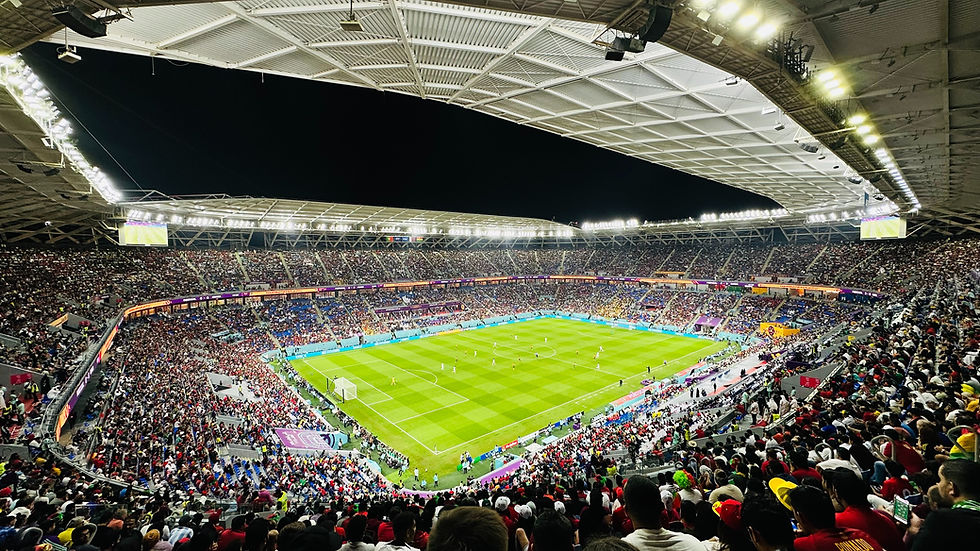
Economically, the tournament is expected to become one of the largest sporting events ever organized. Billions of dollars are being generated through broadcasting rights, sponsorships, tourism, hospitality, merchandising, and digital media. Global brands continue to view the FIFA World Cup as one of the most valuable marketing platforms in the world, capable of reaching audiences that few other events can match. The tournament's commercial success highlights how football has evolved into a global industry where sport, business, technology, and entertainment intersect.

However, the scale of the competition has also sparked important discussions. The vast geographical distance between host cities has raised concerns regarding travel demands for both players and supporters, while environmental experts continue to debate the tournament's carbon footprint. Player welfare, scheduling, and sustainability remain key topics as FIFA balances expansion with the practical challenges of organizing an event of this magnitude. These conversations reflect the growing responsibility of international sporting organizations to deliver world-class competitions while addressing environmental and social concerns.
Perhaps the most compelling aspect of FIFA World Cup 2026 is its ability to symbolize football's future. A new generation of players is emerging to lead their nations, while experienced stars continue to inspire millions with their leadership and determination. Every World Cup introduces unforgettable stories of resilience, passion, and national pride, and this edition promises to continue that tradition on an even greater scale. As the tournament unfolds, it serves as a reminder that football remains one of the few global languages capable of connecting people regardless of nationality, culture, or background. More than a competition for the world's most prestigious trophy, the FIFA World Cup is a celebration of humanity's shared passion for sport. The 2026 edition demonstrates that the future of football is larger, more inclusive, and more connected than ever before.


Comments