
THE RISE OF QUIET LUXURY AND THE SHIFT AWAY FROM FAST FASHION
The fashion industry is experiencing a transformation unlike any seen in recent decades. For years, fast fashion dominated consumer culture, fueled by endless trend cycles, social media influence, and the promise of affordable style. New collections arrived almost weekly, encouraging consumers to constantly refresh their wardrobes in pursuit of the next big trend. Yet as we move through 2026, a different movement is quietly reshaping the industry. The world's most influential consumers, tastemakers, entrepreneurs, and fashion insiders are increasingly turning away from trend-driven consumption and embracing what has become known as quiet luxury, a philosophy centered on timeless design, exceptional craftsmanship, and understated elegance.
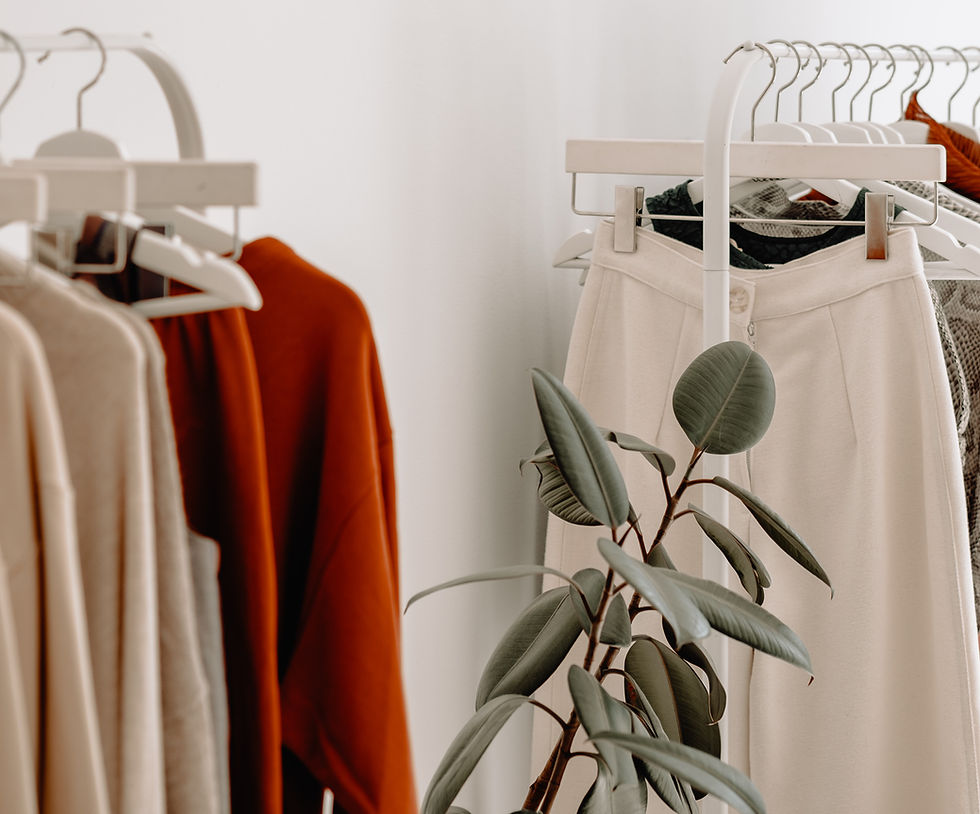
What makes this shift particularly fascinating is that it arrives at a time when consumers have more access to fashion than ever before. The digital age has made luxury, trends, and global brands instantly visible, yet many affluent consumers are choosing to move in the opposite direction. Instead of seeking attention through bold logos and recognizable branding, they are investing in garments that communicate sophistication through quality rather than visibility. The appeal of quiet luxury lies in its ability to transcend seasons. A perfectly tailored blazer, a well-crafted leather bag, or a beautifully constructed cashmere coat can remain relevant for years, while trend-driven pieces often lose their appeal within months. Part of this movement stems from growing fatigue with the relentless pace of modern fashion. Social media has accelerated trend cycles to unprecedented levels, creating an environment where what is fashionable today can feel outdated tomorrow. Consumers are beginning to question whether constantly chasing trends provides genuine satisfaction or simply fuels an endless cycle of consumption. As a result, many are shifting their focus toward building wardrobes that reflect personal style rather than temporary cultural moments. Quiet luxury offers an alternative to fashion's fast-moving landscape by emphasizing permanence over novelty and refinement over excess.

The rise of quiet luxury also reflects a broader cultural shift in how success and status are perceived. In previous decades, luxury was often associated with visibility. Large logos, statement accessories, and instantly recognizable products served as symbols of wealth and achievement. Today's luxury consumer, however, is increasingly interested in discretion. True exclusivity is no longer defined by how loudly a product announces itself but by the quality, craftsmanship, and attention to detail behind it. This evolution has created a new form of status, one rooted in taste and discernment rather than obvious displays of wealth.
Sustainability has played a significant role in accelerating this change. Consumers are becoming more aware of the environmental consequences associated with mass production and disposable fashion. The idea of purchasing fewer, better-made garments aligns naturally with growing concerns about sustainability and responsible consumption. Rather than filling wardrobes with items designed to be replaced within a season, consumers are seeking pieces that can remain valuable for years. In this sense, quiet luxury represents more than an aesthetic preference; it reflects a changing mindset about ownership, value, and longevity. Fashion's most influential brands have also recognized this shift. Across luxury markets, there is an increasing emphasis on craftsmanship, heritage, and timeless design. Collections are becoming less dependent on seasonal hype and more focused on enduring quality. The most successful luxury products today are often those that appear effortless, allowing the craftsmanship to speak for itself. This approach resonates strongly with consumers who view luxury as an investment rather than an impulse purchase.

The popularity of quiet luxury demonstrates that fashion is entering a more mature phase. Consumers are becoming increasingly selective, prioritizing authenticity over trends and quality over quantity. While fast fashion will undoubtedly remain a significant force within the industry, its dominance is being challenged by a growing demand for products that offer lasting value. The future of fashion is unlikely to belong solely to those who produce the most garments or generate the most trends. Instead, it may belong to those who create products capable of standing the test of time. In a world saturated with noise, constant marketing, and endless trend cycles, quiet luxury offers something increasingly rare: confidence without excess. It represents a return to the fundamental principles that have always defined true luxury, craftsmanship, quality, and timeless appeal. As consumers continue to rethink their relationship with fashion, one thing is becoming clear: the future may not belong to those who wear the loudest logos, but to those who understand that genuine style never needs to announce itself.


Comments